What Are Ozempic Teeth
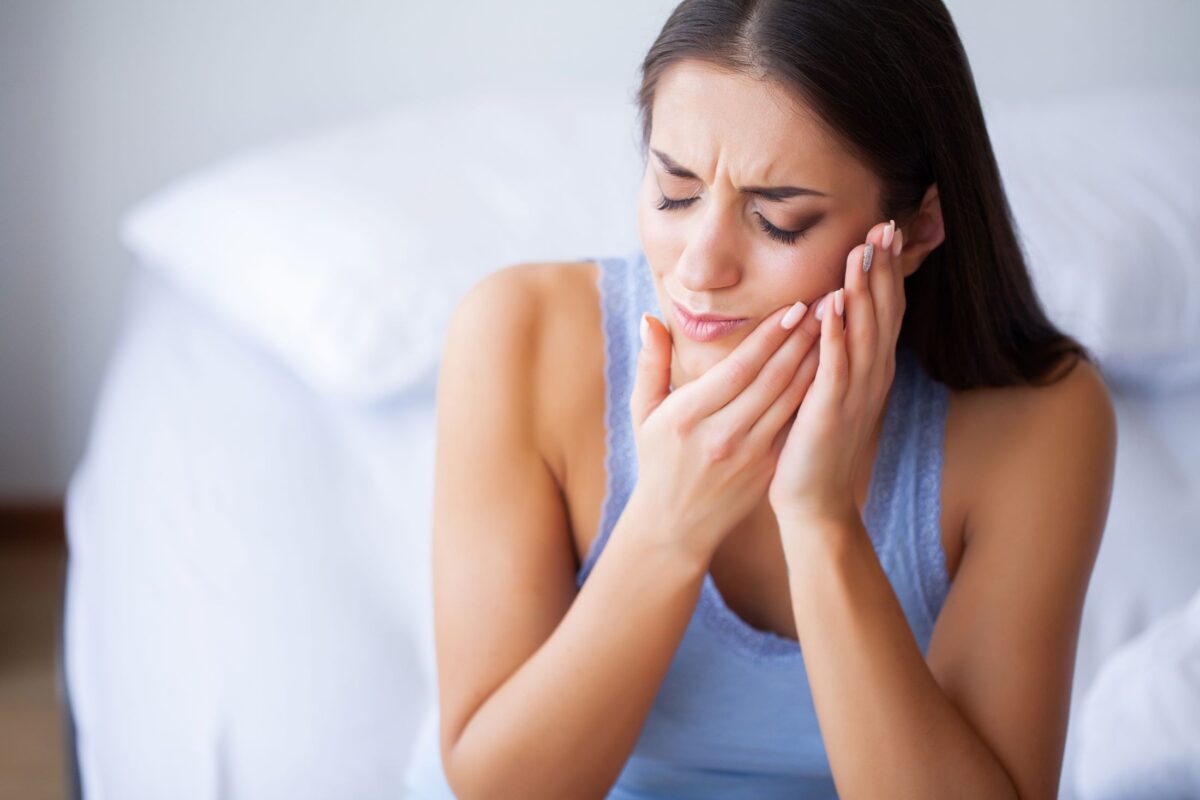
“Ozempic teeth” is a term that has become more common as GLP-1 medications such as Ozempic are prescribed for weight loss and diabetes treatment. While these medications can be highly effective for managing health, some patients have reported dental side effects that include tooth sensitivity, increased cavities, bad breath, gum disease, and even oral infections. These issues often develop gradually, which makes awareness and prevention key.
What Causes Ozempic Teeth
The main reason Ozempic teeth develop is that GLP-1 medications can reduce saliva production and suppress thirst. Saliva is one of your body’s natural defenses against bacteria because it helps neutralize acids and wash away food particles. Without enough saliva, your teeth are more vulnerable to enamel erosion, decay, and oral infections.
In addition, these medications can sometimes cause acid reflux, nausea, or vomiting. When stomach acid enters the mouth, it wears away the enamel, which is the strong outer layer that protects your teeth. Once enamel is weakened, teeth become more sensitive and more prone to damage.
Warning Signs to Watch For
If you are taking a GLP-1 medication, paying close attention to changes in your mouth can help you catch problems early. Signs that may indicate the start of “Ozempic teeth” include a dry mouth, increased thirst, or difficulty swallowing. You may also notice that your breath feels less fresh or that your lips and throat feel dry more often than usual. Some people develop new digestive issues, such as heartburn or nausea. If your teeth begin to feel more sensitive or uncomfortable, it is important to mention this to your dentist.
How to Protect Your Teeth While Taking the Medication
The best way to protect your smile while taking Ozempic or other GLP-1 medications is to be proactive about your oral health. Practicing consistent oral hygiene is essential since dry mouth and acid reflux can make your enamel more vulnerable. Brushing twice a day with an enamel-strengthening toothpaste such as Pronamel Clinical Enamel Strength can help protect and repair acid-weakened enamel. Staying hydrated is also important since water helps replace moisture and protect your teeth. Chewing sugar-free gum is another simple way to increase saliva production.
It is also wise to limit acidic or sugary foods and drinks such as coffee, soda, and candy. These items can make enamel damage worse and increase your risk of cavities. By making small changes to your daily habits, you can keep your teeth strong and healthy even while on medication.
Can You Reverse Ozempic Teeth
Once enamel is destroyed, it cannot be rebuilt. This is why prevention and early action are so important. By addressing dry mouth, maintaining good oral hygiene, and protecting your enamel, you can stop further damage from occurring. If you have already noticed changes in your teeth or gums, your dentist can recommend treatments that may help manage sensitivity, prevent decay, and restore oral health.
If you are taking Ozempic or another GLP-1 medication and want to be proactive about your dental health, now is the perfect time to schedule a consultation. Dr. Inna Chern and the team at New York General Dentistry can help you protect your smile with personalized preventive care and treatment options. Contact us today to book your appointment and get the guidance you need to keep your teeth healthy and strong.

For over 20 years, Inna Chern DDS FAGD, has been offering personalized, high-tech dental care to Manhattan and NYC residents. With a focus on individualized attention and the latest technology, her modern Midtown East office aims to reshape dental care perceptions in New York by prioritizing patient well-being and innovative services.