
If you are taking a GLP-1 receptor agonist such as semaglutide or tirzepatide, understanding GLP-1 dental side effects is an important part of protecting your long-term oral health. These medications have helped many patients manage weight and blood sugar with meaningful results, but their effects on the mouth, specifically dry mouth, gastric reflux, and slowed tissue healing, deserve close attention from your dental provider.
This page goes deeper than general awareness and explains the clinical mechanisms behind each concern, so you can have an informed conversation at your next appointment. If you have questions about how your current medications may be affecting your smile, we welcome you to reach out to our team directly.
Dry Mouth and Why Saliva Is Your Mouth’s First Line of Defense
One of the most frequently reported GLP-1 dental side effects is reduced saliva production, commonly described as dry mouth or xerostomia. The mechanism is worth understanding. GLP-1 medications work partly by slowing gastric emptying and suppressing appetite, which often reduces how much patients eat and drink throughout the day. When fluid intake decreases, salivary flow can decrease with it.
Saliva does far more than keep your mouth comfortable. It neutralizes acids after eating, remineralizes early enamel lesions, and physically washes away bacteria and food debris. When salivary flow is reduced, the oral environment shifts: bacteria that produce acid can thrive more easily, the buffering capacity of the mouth drops, and enamel becomes more vulnerable to decay.
Practical Considerations for Patients Experiencing Dry Mouth
Patients managing dry mouth while on GLP-1 therapy may benefit from more frequent hydration throughout the day, using a fluoride toothpaste specifically formulated for dry mouth, and considering xylitol-containing products, which research suggests may help reduce cavity-causing bacteria. At New York General Dentistry, Dr. Chern uses erythritol-based AIRFLOW powder technology during pain-free cleanings that are gentle on sensitive and dry oral tissues. Increased monitoring intervals may also be appropriate for patients on these medications. Individual results and oral health responses vary, and your provider is best positioned to tailor a prevention plan to your specific situation.
GLP-1 Dental Side Effects and Gastric Reflux: The Hidden Enamel Threat
A second mechanism that many patients do not connect to their dental health is gastric acid reflux. Because GLP-1 medications slow the movement of food through the digestive tract, stomach contents, including acid, may be more likely to travel upward toward the esophagus and mouth. This is distinct from the external acid exposure that comes from drinking soda or citrus juices.
When stomach acid reaches the mouth, even infrequently, it contacts the lingual (tongue-facing) and palatal (roof-facing) surfaces of the teeth. Over time, chronic acid exposure in these areas leads to a pattern of enamel erosion that is recognizable to a trained eye but often invisible to patients because it develops gradually and without pain.
How Enamel Erosion from Reflux Differs from Other Wear Patterns
The erosion pattern from internal acid, such as reflux, typically appears on the inside surfaces of the upper front teeth and the chewing surfaces of the back teeth. External acid sources tend to affect the front-facing surfaces more evenly. Identifying the source matters because the treatment approach differs. In cases where significant enamel loss has already occurred, restorative options such as porcelain veneers or care through a full mouth rehabilitation plan may be worth discussing. Patients should also speak with their prescribing physician about reflux symptoms, as managing them medically will reduce ongoing enamel risk.
At every appointment, Dr. Chern allocates a full hour to each patient, which means she has time to look beyond the obvious and document subtle changes in wear patterns that shorter visits might miss.
Healing After Dental Surgery: What GLP-1 Patients Need to Know Before Any Procedure
The third and perhaps least discussed of the GLP-1 dental side effects involves how these medications may influence healing after dental surgical procedures, including tooth extractions, implant placement, and periodontal surgery.
Research in this area is still evolving, but several mechanisms have been identified as potentially relevant. GLP-1 medications affect blood sugar regulation, and even in non-diabetic patients, the metabolic shifts involved may influence the inflammatory response and tissue repair processes. Additionally, reduced nutritional intake from appetite suppression can affect the availability of the proteins, vitamins, and minerals that tissues need to heal efficiently after surgery.
Disclosing GLP-1 Use Before Any Dental Surgical Procedure
It is important that patients disclose GLP-1 medication use to their dental provider before any surgical treatment is scheduled. This applies to extractions, implant procedures, and gum-related surgeries. Your provider may want to coordinate with your prescribing physician, adjust timing, or build in additional follow-up to monitor healing progress.
For patients considering implant-supported restorations or other restorative work, understanding your healing baseline is a meaningful part of treatment planning. The iTero digital scanning technology used at New York General Dentistry supports precise, thorough treatment planning that accounts for each patient’s full health picture. You can learn more about the practice’s integrative approach and the range of services available on the New York General Dentistry blog.
Why Choose New York General Dentistry in Manhattan?
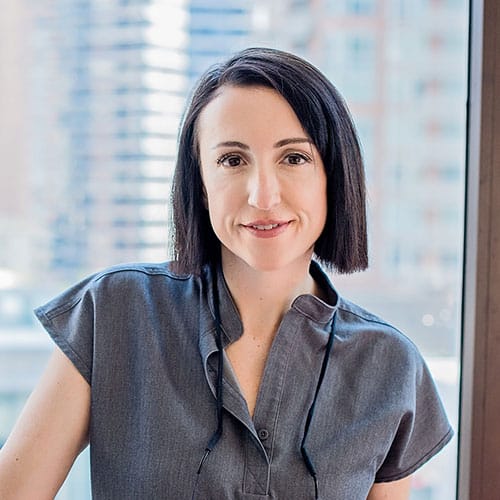
Dr. Inna Chern, DDS FAGD, has practiced integrative, high-tech dentistry in Manhattan since 2004. A Fellow of the Academy of General Dentistry, a distinction earned in 2024, she brings both advanced clinical credentials and a whole-body perspective to every patient relationship. Her NYU psychology background shapes how she communicates with patients, and her judgment-free, empathetic approach makes complex conversations, like the ones GLP-1 patients need to have, feel manageable rather than overwhelming.
What sets this practice apart in a city of high-volume dental offices is the single-doctor model. Every patient sees Dr. Chern at every visit, for a full hour. That consistency means she notices change over time and builds the kind of trust where patients feel comfortable sharing their full medication list, including newer GLP-1 therapies. For patients navigating the oral health implications of these medications in New York City, this practice offers the depth of attention that a nuanced, evolving health concern genuinely requires. We encourage you to contact our office to schedule your appointment.
Frequently Asked Questions
How quickly can GLP-1 dental side effects appear after starting the medication?
The timeline varies by individual, but some patients report dry mouth within the first few weeks of starting GLP-1 therapy, particularly as appetite and fluid intake decrease. Enamel erosion from reflux tends to develop more gradually, over months, and may not be visible without a clinical exam. Early monitoring with your dental provider is the best way to catch changes before they progress. Individual results and timelines vary.
Should I tell my dentist I am taking a GLP-1 medication even if I feel fine?
Yes, absolutely. Many of the oral health changes associated with GLP-1 medications develop without noticeable symptoms in the early stages. Dry mouth, early enamel erosion, and subtle changes in healing capacity can all begin before a patient is aware of them. Disclosing your full medication list, including GLP-1 receptor agonists, allows your dentist to monitor specifically for these patterns and adjust your care plan accordingly.
Can I still get cosmetic dental work like veneers if I am on a GLP-1 medication?
In many cases, yes. Cosmetic treatments such as smile design and porcelain veneers are not necessarily contraindicated for patients on GLP-1 therapy, but timing and preparation matter. Your provider will want to assess your current enamel health, reflux history, and any planned medication changes before finalizing a treatment plan. A thorough consultation is the appropriate first step, and individual candidacy will vary.
Is dry mouth from GLP-1 medications treated differently than other causes of dry mouth?
The underlying cause of dry mouth can influence how your provider approaches management. When dry mouth is linked to reduced fluid intake from appetite suppression, increasing hydration is a foundational strategy. Your dentist may also recommend prescription-strength fluoride, specific oral rinses, or more frequent preventive appointments. It is helpful to also discuss the symptom with your prescribing physician, as medication timing or dosage adjustments may be relevant. Consult your providers for personalized guidance.
Are there specific dental treatments that Manhattan patients on GLP-1 medications should prioritize?
Patients in New York City taking GLP-1 medications may benefit from prioritizing comprehensive dental exams that include documentation of wear patterns, more frequent professional cleanings to manage the elevated cavity risk associated with dry mouth, and a candid discussion with their provider before any surgical procedure. Establishing care with a provider who takes a whole-body approach to dental health, and who allocates enough appointment time to actually have that conversation, can make a meaningful difference in long-term outcomes.
Reach Out Today
If you are navigating GLP-1 dental side effects in New York City and want a provider who will take the time to truly assess your oral health, New York General Dentistry is here to help. Dr. Chern welcomes patients from across Manhattan and surrounding neighborhoods for comprehensive, personalized care. Call our office to schedule your full-hour consultation and take the next step toward protecting your smile.

For over 20 years, Inna Chern DDS FAGD, has been offering personalized, high-tech dental care to Manhattan and NYC residents. With a focus on individualized attention and the latest technology, her modern Midtown East office aims to reshape dental care perceptions in New York by prioritizing patient well-being and innovative services.