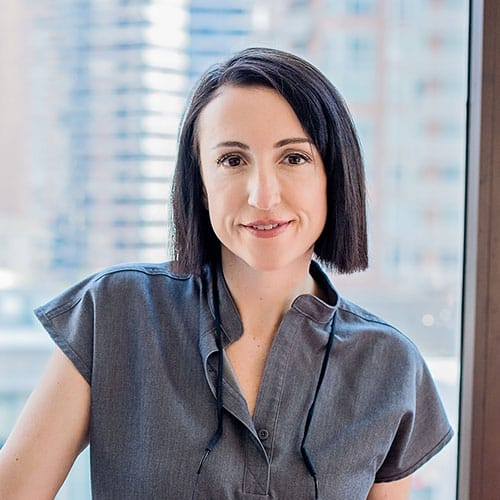
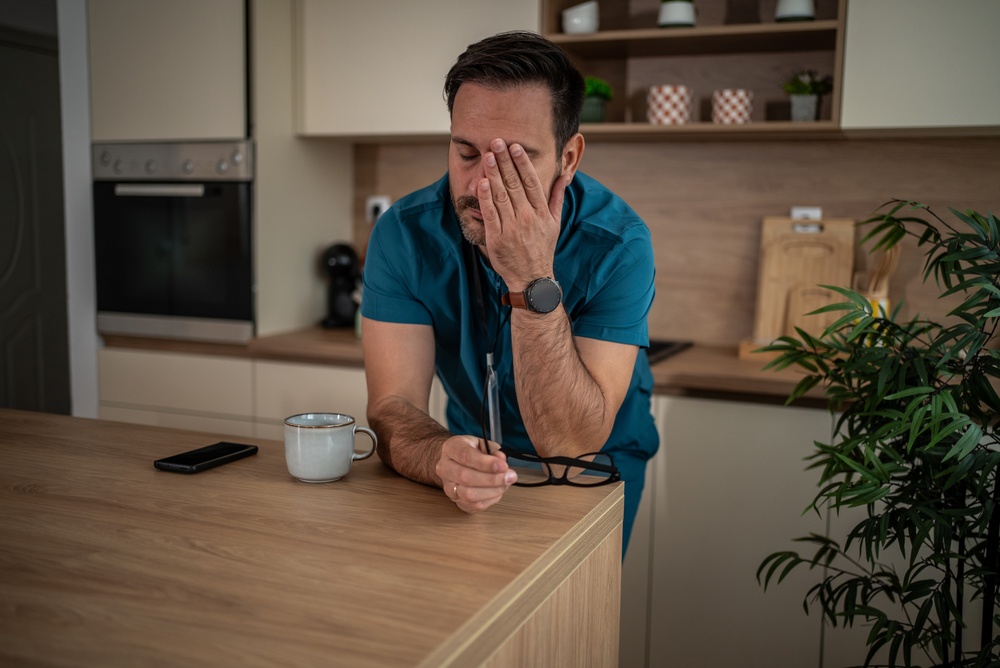
Snoring tends to be the household joke until it starts costing someone sleep. Sometimes it really is just noise. Other times it is a sign of upper airway obstruction or obstructive sleep apnea. And when snoring is affecting a relationship, with one partner sleeping on the couch or both waking up exhausted, it is worth taking seriously. Because snoring is closely tied to jaw position and oral anatomy, a dentist is often a good place to start. At New York General Dentistry, Dr. Inna Chern, DDS, FAGD, looks at snoring as part of her integrative approach to oral and overall health, offering snoring solutions Manhattan patients can fit into a busy life.
What Causes Snoring and Why a Dentist May Be Able to Help
Snoring occurs when airflow through the mouth and throat is partially obstructed during sleep, causing surrounding soft tissue to vibrate. The position of the jaw, the size of the tongue, and the muscle tone in the airway all play a role in whether that obstruction occurs. Because dentists work directly with jaw structure, bite, and oral anatomy every day, they are uniquely positioned to assess factors that may contribute to snoring. This is the foundation of dental sleep medicine and airway management dentistry: looking at how the structures of the mouth and jaw affect breathing at night.
There is an important distinction worth understanding before you pursue any treatment. Snoring and sleep apnea both fall under the broader category of sleep-disordered breathing, but they are not the same. Primary snoring, sometimes called simple snoring, refers to disruptive sound during sleep without the breathing pauses associated with sleep apnea. Obstructive sleep apnea involves repeated interruptions to breathing and carries more serious health implications. A dentist cannot diagnose sleep apnea; that requires a formal sleep study ordered by a physician. A knowledgeable dental provider can, however, recognize signs that warrant a referral to a New York sleep specialist and, once a diagnosis exists, may help coordinate or provide an oral appliance as part of a broader care plan.
At New York General Dentistry, Dr. Chern’s approach to snoring and airway health in Manhattan begins with a comprehensive assessment of jaw alignment, bite relationship, and the anatomy of the oral cavity. This same whole-body philosophy informs how she approaches TMJ treatment for Midtown East patients, recognizing that jaw function, facial muscles, and airway health are deeply interconnected.
How Oral Appliance Therapy Works as a Snoring Treatment
Oral appliance therapy is one of the most well-studied dental approaches for patients who snore or who have been diagnosed with mild to moderate obstructive sleep apnea. A custom-fitted oral appliance resembles a mouthguard or retainer and is worn during sleep to provide nighttime airway support.
The most common type is a mandibular advancement device, sometimes called a jaw repositioning device. It works by gently holding the lower jaw slightly forward, which may help keep the airway more open and reduce the tissue vibration that causes snoring. Another design, the tongue retaining device, holds the tongue forward rather than the jaw. Dr. Chern can explain which style, if any, suits your anatomy and needs.
For patients diagnosed with sleep apnea who struggle to tolerate a CPAP machine, oral appliance therapy may be considered as a CPAP alternative treatment. That decision is made together with the patient’s physician, based on the severity of the condition and the results of a sleep study.
Custom Fit Versus Over-the-Counter Devices
Over-the-counter anti-snoring mouthpiece options are widely available, but they are not custom-fitted to your anatomy. A poorly fitting device can shift tooth alignment over time, create jaw discomfort, and may not address the specific anatomy contributing to your snoring. A dentist-provided custom mouth guard for snoring is fabricated from precise impressions of your teeth and jaw, designed to fit securely and comfortably through the night.
What the Process Looks Like
When you visit New York General Dentistry for a snoring consultation, Dr. Chern takes time- a full hour of undivided attention- to review your health history, assess your bite and jaw position, and discuss your sleep patterns. If an oral appliance is appropriate, detailed records are taken and sent to a dental laboratory. Follow-up visits allow for adjustments to ensure both comfort and effectiveness. At every stage, Dr. Chern communicates clearly about what the appliance can and cannot do, and she will refer you for a sleep study if your symptoms suggest a need for physician involvement.
When Snoring, Grinding and Jaw Pain Are Connected
Snoring is rarely evaluated in isolation. The bite, facial muscle tension, and jaw alignment that can contribute to nighttime snoring often show up during the day too. Patients who grind their teeth, have facial pain, or notice jaw clicking may find these issues share underlying causes with their snoring.
Dr. Chern’s training and fellowship-level education through the Academy of General Dentistry have prepared her to see these connections clearly. As a Fellow of the Academy of General Dentistry, she has completed hundreds of hours of continuing education beyond dental school, including study in areas that touch on airway health and craniofacial function.
When researching NYC sleep dentistry, you may come across the term board-certified sleep dentist. Credentials in dental sleep medicine vary, so it is always worth asking any provider about their training and how they coordinate care with physicians. Dr. Chern is glad to walk you through her background and her approach during your consultation.
For patients whose oral health concerns extend beyond snoring, Dr. Chern offers a full spectrum of care. Patients who come in for snoring consultations sometimes discover they would also benefit from exploring full mouth rehabilitation or a sleep apnea treatment evaluation. Because every visit with Dr. Chern is a full hour, there is genuine time to understand your complete health picture and discuss what options may be most appropriate for you.
Time to Actually Talk About Your Sleep
New York City offers no shortage of dental offices, but few combine the clinical depth, personalized attention, and integrative philosophy that Dr. Chern brings to every patient relationship. Since opening New York General Dentistry in 2004, Dr. Chern has built her practice around a simple belief: dental care should treat the whole person, not just the tooth in front of her. That philosophy shapes how she approaches snoring. She does not see it as a minor complaint to be managed quickly, but as a meaningful signal worth investigating carefully, with real sleep quality improvement as the goal.
Appointments are relaxed and unhurried, with a full hour set aside for one-on-one care, which matters when the topic is as personal as sleep. Dr. Chern’s undergraduate degree in psychology from NYU shapes her communication style, and the practice has been featured in GQ, Shape, and Well+Good.
Snoring Questions Patients Ask
Can a dentist actually treat snoring, or do I need to see a sleep doctor?
A dentist with experience in airway health and oral appliance therapy can be a valuable part of your care team for snoring. If you snore without a confirmed sleep apnea diagnosis, Dr. Chern can assess your oral anatomy and discuss whether an oral appliance may be appropriate. If your symptoms suggest sleep apnea, she will refer you to a physician for a sleep study before recommending appliance therapy. The two approaches work best together.
How do I know if my snoring is serious enough to see a dentist?
If your snoring is frequent, loud, or accompanied by gasping, morning headaches, daytime fatigue, or a partner’s concern about pauses in your breathing, it is worth a professional conversation. These symptoms may suggest obstructive sleep apnea rather than primary snoring. Dr. Chern can help you understand what your symptoms may indicate and guide you toward the right next step, whether that is an oral appliance, a physician referral, or both.
Is an oral appliance comfortable to wear every night?
Most patients find that a custom-fitted oral appliance becomes comfortable within a short adjustment period. Because it is designed precisely for your bite and jaw anatomy, it fits more securely and comfortably than over-the-counter alternatives. Dr. Chern schedules follow-up visits to make any necessary adjustments, and patients are encouraged to share feedback so the appliance can be refined for the best possible fit and function.
Will treating my snoring affect my teeth or bite long-term?
A well-fitted and properly monitored oral appliance is designed to minimize impact on your teeth and bite. Dr. Chern monitors your bite relationship at follow-up visits to ensure that the appliance is not causing unintended shifts. Patients who also grind their teeth may benefit from discussing how a snoring appliance and a nightguard can be coordinated. Explore our resources on related concerns through the New York General Dentistry blog for more context on oral health and function.
Find Out What’s Behind the Snoring
If snoring is affecting your sleep or someone else’s, it is worth a closer look. Contact New York General Dentistry or send a message to book a full-hour consultation with Dr. Chern.

For over 20 years, Inna Chern DDS FAGD, has been offering personalized, high-tech dental care to Manhattan and NYC residents. With a focus on individualized attention and the latest technology, her modern Midtown East office aims to reshape dental care perceptions in New York by prioritizing patient well-being and innovative services.