If you have been wondering whether Invisalign NYC is still an option for you as an adult, the short answer is: for most healthy adults, it is not too late. Millions of people begin orthodontic treatment well into their 30s, 40s, 50s, and beyond, and clear aligner therapy has made that journey more discreet and comfortable than ever before. Whether crowding, spacing, or shifting teeth have been on your mind for years, this page will walk you through what to expect, what actually makes a difference in your outcome, and how to find the right provider in Manhattan for your goals. To speak with someone directly, contact New York General Dentistry for a consultation.
What Adults Need to Know Before Starting Invisalign in NYC
Age Is Rarely the Limiting Factor
One of the most common misconceptions about orthodontic treatment is that adult teeth are simply too set to move. In reality, teeth can shift at any age as long as the surrounding bone and gum tissue are healthy. What matters most is not how old you are, but the current condition of your oral health. Gum disease, significant bone loss, or untreated decay may need to be addressed before aligner treatment begins, which is why a thorough evaluation always comes first.
What Invisalign Can and Cannot Address
Invisalign may help improve mild to moderate crowding, spacing, certain bite concerns, and teeth that have shifted over time. More complex bite issues or cases involving significant jaw discrepancies may require coordination with an orthodontist or a more comprehensive approach. At New York General Dentistry, Dr. Chern uses the iTero Element digital scanner to create precise 3D models of your teeth, allowing you to visualize your projected tooth movement before committing to treatment. This technology removes the guesswork and helps set realistic expectations from the very first appointment.
Why Adults Often Prefer Clear Aligners
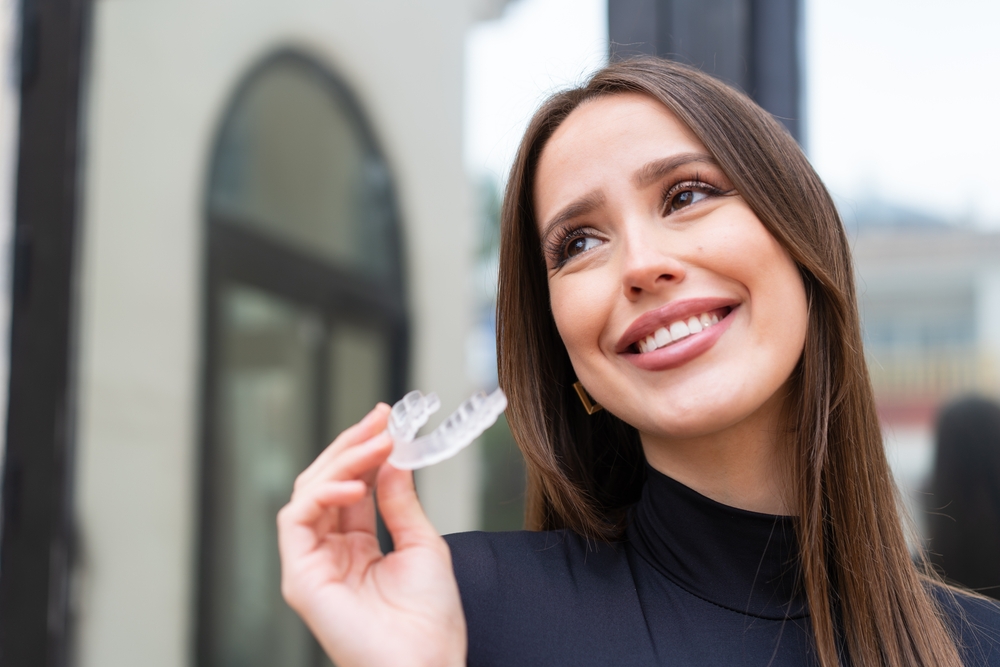
Discreet, removable, and designed to fit around a busy professional schedule, Invisalign aligners appeal to adults who want results without the visibility of traditional braces. Trays are worn approximately 20 to 22 hours per day and changed on a schedule set by your provider. Because the aligners are removable, eating, oral hygiene, and social situations remain largely unaffected. Individual results may vary based on case complexity and consistency of wear.
The Invisalign NYC Process: What to Expect From Start to Finish
Your Initial Consultation and Records
A thorough Invisalign consultation at New York General Dentistry begins with a comprehensive exam, a review of your dental and medical history, and a full-hour appointment with Dr. Chern herself. Every patient at the practice receives that full hour of undivided attention, which stands in direct contrast to high-volume dental offices where chair time is often rushed. During this visit, digital impressions are taken using the iTero scanner, eliminating the need for traditional putty molds and producing highly accurate records for treatment planning.
Treatment Timeline and What Drives It
Invisalign treatment length varies depending on the complexity of your case. Minor corrections may take as few as six months, while more involved tooth movement can require 18 months or longer. Compliance is one of the strongest predictors of staying on schedule, which is why Dr. Chern takes time to walk every patient through realistic expectations. Vivera retainers, made by the same manufacturer as Invisalign aligners and considered among the most durable retainers available, are offered as a natural next step after treatment to help maintain your results. Retainer wear is an important, ongoing commitment following any orthodontic treatment.
Combining Invisalign With Other Cosmetic Goals
Many adults who begin Invisalign treatment find it opens the door to broader smile goals. Straighter teeth may enhance the outcome of porcelain veneers in Manhattan, improve the baseline for professional teeth whitening, or serve as the foundation for a more comprehensive smile design consultation. At New York General Dentistry, the approach to cosmetic dentistry is integrative: alignment, color, proportion, and overall facial aesthetics are considered together rather than in isolation.
Invisalign in NYC and the Health Connection You May Not Expect
Alignment and Oral Health
Straighter teeth are generally easier to clean. Crowded or overlapping teeth can create areas that are difficult to reach with brushing and flossing, which may contribute over time to plaque buildup, gum inflammation, and a higher risk of decay. Research suggests that improving alignment may support better long-term oral hygiene outcomes, though individual results vary and no orthodontic treatment guarantees specific health results. If you have noticed signs of gum sensitivity or bleeding, exploring resources on bleeding gums treatment alongside your alignment consultation may be worthwhile.
The Broader Wellness Picture
Dr. Chern practices integrative dentistry, which means she considers how oral health connects to total body wellness. Concerns like jaw tension, bite imbalance, and TMJ discomfort can sometimes intersect with orthodontic issues. If you experience jaw pain or clicking, a conversation about TMJ treatment may be appropriate before or alongside aligner therapy. Understanding your full picture leads to more thoughtful, lasting treatment decisions.
Confidence as a Wellness Outcome
The relationship between how you feel about your smile and how you show up in your daily life is real. Many patients describe the decision to pursue Invisalign as one that goes beyond aesthetics, touching on self-confidence, willingness to smile in photos, and comfort in professional and social settings. Dr. Chern’s judgment-free, empowering approach creates a space where those conversations feel natural rather than superficial. You can explore real patient outcomes in the before-and-after dental cases gallery on the practice website.
Why Choose New York General Dentistry for Invisalign in NYC?
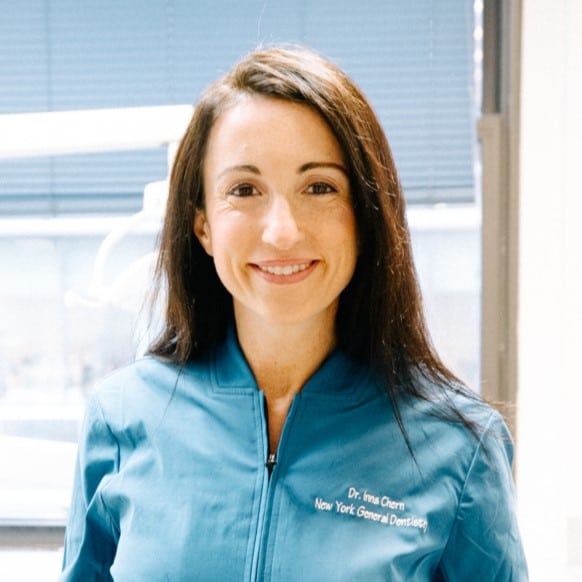
Dr. Inna Chern, DDS, FAGD has been providing personalized dental care in Manhattan since 2004. A Fellow of the Academy of General Dentistry, a member of the American Academy of Cosmetic Dentistry, and a graduate of Stony Brook School of Dental Medicine, she brings both clinical depth and genuine warmth to every patient relationship. What sets New York General Dentistry apart in a city full of dental options is something that sounds simple but is increasingly rare: you will see the same doctor at every single visit. No rotating associates, no handoffs. Dr. Chern has been featured in GQ, Shape, and Well+Good, reflecting a patient-centered philosophy that resonates well beyond the dental chair. For adults in Midtown East and across Manhattan who want a thoughtful, unhurried Invisalign experience, this practice offers something the high-volume offices simply cannot.
Frequently Asked Questions About Invisalign NYC
Am I a candidate for Invisalign if I had braces as a teenager?
Many adults who had braces years ago experience gradual shifting over time, a phenomenon known as relapse. If your teeth have moved since your teenage orthodontic treatment, Invisalign may be an appropriate option to help restore alignment. A comprehensive exam with Dr. Chern will determine the current state of your teeth and bone health and whether clear aligner therapy is a good fit for your specific situation. Consult with your provider for personalized guidance.
How discreet are Invisalign aligners in a professional setting?
Invisalign aligners are made from a clear, smooth plastic that is designed to be nearly invisible when worn. Most patients find that colleagues and acquaintances do not notice them during normal conversation. Because they are removable, you can take them out for important presentations or meals. That said, consistent wear, approximately 20 to 22 hours per day, is essential for staying on track with your treatment timeline.
What happens to my teeth after Invisalign treatment is complete?
Retainer wear following Invisalign is not optional if you want to maintain your results. Teeth have a natural tendency to shift after orthodontic treatment, which is why New York General Dentistry offers Vivera retainers as a post-treatment option. Vivera retainers are made by the same company that produces Invisalign and are considered among the more durable retainer choices available. Your provider will recommend a retainer schedule based on your specific case.
Can Invisalign help with bite issues, not just cosmetic crowding?
Invisalign may help address certain mild to moderate bite concerns, including some forms of overbite, underbite, crossbite, and open bite, depending on their severity. More complex skeletal bite issues may fall outside the scope of aligner therapy alone. During your consultation, Dr. Chern will review your bite in detail and discuss whether Invisalign, an alternative approach, or a combination of treatments may be most appropriate.
Does New York General Dentistry treat patients from outside Midtown East?
Yes. While the practice is located in Midtown East Manhattan, patients travel from across the five boroughs and from neighboring areas of the greater New York region for Dr. Chern’s care. If you are searching for Invisalign NYC and value a single-doctor practice with full-hour appointments and an integrative approach to dental wellness, patients already in Dr. Chern’s care often consider the commute well worth it.
Take the Next Step Toward a Straighter Smile in NYC
If Invisalign NYC has been on your mind, there is no better time to get a clear, honest answer about whether it is right for you. Dr. Inna Chern, DDS, FAGD welcomes adults at every stage of their smile journey to New York General Dentistry in Midtown East Manhattan. Schedule your consultation by visiting the contact page or explore more on the Invisalign treatment page.

For over 20 years, Inna Chern DDS FAGD, has been offering personalized, high-tech dental care to Manhattan and NYC residents. With a focus on individualized attention and the latest technology, her modern Midtown East office aims to reshape dental care perceptions in New York by prioritizing patient well-being and innovative services.